
Thepurebio.
Therapure Biomanufacturing is a global contract development and manufacturing organization (CDMO)—your source for integrated biologics CDMO services. Our scientific and manufacturing expertise, as well as our flexible state-of-the-art cGMP facility, provides you with optimal biomanufacturing solutions.
Process, product and patients
Thepurebio.
Therapure Innovations (a division of Therapure Biopharma Inc.) is devoted to drug discovery, research and development. Our scientists are currently developing innovative protein therapeutics in liver cancer, anemia and hepatitis C by leveraging our proprietary
platform technologies.
Enhance drug performance
Evolve.
Our patented technology aims to deliver critical plasma-derived therapeutics at higher levels of purity, efficiency, and reliability than currently available in the market.Evolve Biologics is advancing what’s possible in our industry.first major advancement in plasma protein extraction for over 75 years.
Process, product and patients
When people think about working in healthcare, they usually picture doctors, nurses, and other professionals who care for patients directly. But there’s another side to the industry that keeps hospitals, clinics, and medical practices running: the people who handle medical
Therapurebio blog
Explore Cutting-Edge Biotechnologies and Therapeutic Solutions for a Healthier Tomorrow

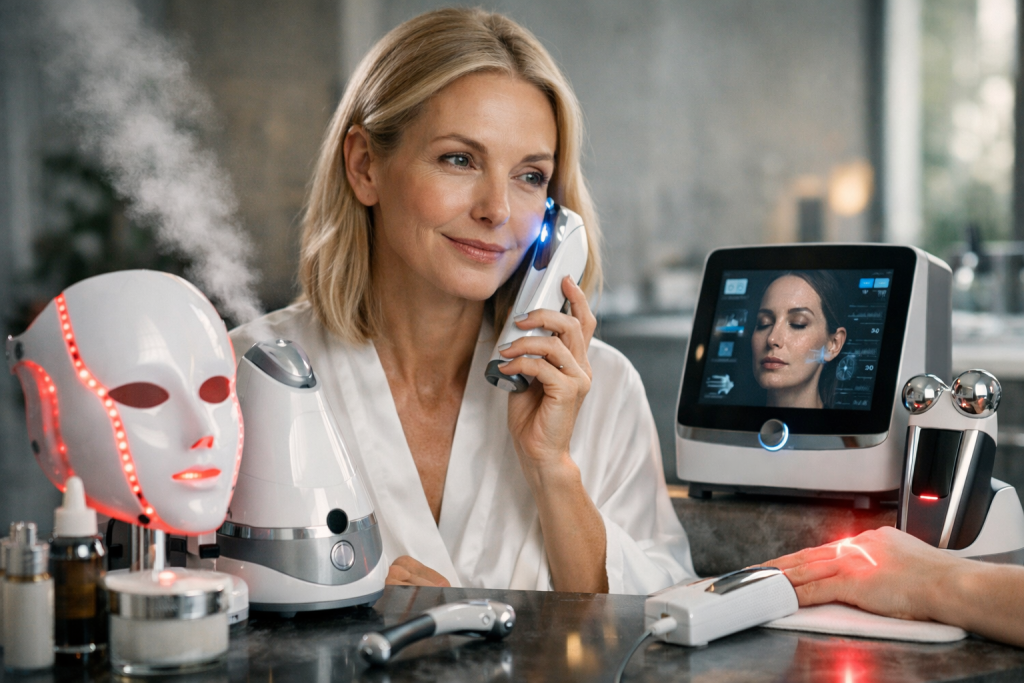




Skin care at home has undergone a significant transformation and is no longer the same. Previously, many people opted for intensive skin procedures, such as chemical peels, to slow the signs of aging and achieve a youthful appearance. Currently, individuals
How to Find Medical Billing and Coding Jobs
When people think about working in healthcare, they usually picture doctors, nurses, and other professionals who care for patients directly. But there’s another side to the industry that keeps hospitals, clinics, and medical practices running: the people who handle medical records, insurance claims, and billing.
Medical billing and coding jobs appeal to people who enjoy detail-oriented work and want to be part of the healthcare industry without working in a clinical role. Some positions are entry-level, while others require specialized training or professional certification. Knowing what employers expect can make the job search much easier.
Start by Searching for the Right Job Title
One common mistake is searching only for “medical billing and coding jobs”. Although it’s a useful starting point, employers don’t always use that exact title.
A medical practice might advertise for a billing specialist, while a hospital could be looking for an inpatient coder. Insurance companies and healthcare service providers may use titels such as claims examiner, claims processor, or revenue cycle specialist.
If you’re new to the field, try searches such as:
- Entry-level medical billing specialist
- Medical billing assistant
- Medical claims processor
- Medical coding trainee
- Patient accounts representative
These roles don’t all involve the same responsibilities, so read the job description rather than relying on the title alone. A claims processor, for example, may focus on reviewing insurance claims, while a medical coder needs to understand how to assign appropriate codes based on clinical documentation.
Applicants with more experience can search for positions in denial management, risk adjustment coding, inpatient coding, or coding audits. Narrowing your search by specialty can help you find jobs that better match your backgruond.
Do You Need Certification to Get Hired?
That depends on the position and the employer.
Some medical billing jobs emphasize insurance knowledge, data entry, customer service, and familiarity with healthcare software. An employer may accept relevant administrative experience or provide training for someone entering the field.
Medical coding can have more specific requirements. Employers may ask for knowledge of ICD-10-CM, CPT, and HCPCS Level II coding systems. Certain positions also require a recognized credential, such as the Certified Professional Coder (CPC) from AAPC or the Certified Coding Specialist (CCS) from AHIMA.
Before paying for a course or certification, look at several current job listings for the role you want. Note which credentials appear repeatedly and whether employers require prior experience.
That gives you a more realistic picture of what you need to qualify.
Be particularly careful with training programs that promise guaranteed employment. Completing a course can help you develop skills, but it doesn’t guarantee that an employer will hire you.
Where Should You Look for Openings?
General job websites are a reasonabel place to start. Indeed and LinkedIn list healthcare administrative positions alongside other occupations, and their search filters can help you narrow results by location, experience level, and work arrangement.
It’s also worth checking the career pages of hospitals, physician groups, insurance companies, and medical billing service providers. Some employers publish openings on their own websites, where you can confirm the position’s details before applying.
For a more focused search, job seekers can explore healthcare-related resources and platforms such as Med Billing Talent and AAPC, alongside general job boards. Using several sources gives you a wider view of available opportunities instead of relying on a single website.
Don’t overlook professional networks, either. Healthcare administration groups and coding communities sometimes share job leads and discuss the qualifications employers are looking for. These discussions can help you identify skills worth developing, although you should always verify a vacancy with the employer.
Are Remote Medical Billing and Coding Jobs Available?
Yes, remote positions exist, but the conditions differs.
Some companies hire billing specialists who work from home entirely. Other employers offer remote work only after an initial training period, or require employees to live in a particular state.
Coding positions may have similar restrictions, depending on the organization and the records involved.
Search phrases such as “remote medical billing specialist” and “remote medical coder” can help you find relevant listings. Pay attention to the location requirements in each advertisement. A job marked remote may still be limited to applicants living in the United States or a specified group of states.
Working from home also involves responsibilities that aren’t always obvious from the job title. Employers may require a private workspace, reliable internet access, and compliance with rules for protecting patient information.
Be cautious when an advertised opportunity promises unusually high earnings with little training or asks you to pay money to secure a job. Verify the employers identity, look for the opening on its official website, and avoid sharing sensitive information until you’ve established that the recruitment process is legitimate.
Make Your Resume Relevant to the Position
You don’t need to rewrite your entire resume for every application, but you should highlight the experience that matters for the particular role.
For a billing position, relevant experience might include procesing payments, working with insurance claims, maintaining account records, or handling customer inquiries. For coding roles, employers may be more interested in coding education, credentials, familiarity with medical terminology, and experience reviewing clinical documentation.
What if you’ve never worked in healthcare?
Focus on transferable skills you genuinely have. Administrative work, careful recordkeeping, data entry, and customer service can all be relevant to certain entry-level positions. Include completed training or certifications, but don’t present coursework as professional experience.
Before applying you may want to read the whole qualifications carefully. If a position requires a credential or several years of coding experience that you don’t have, you’re probably better off spending that time on a more suitable openings.
It can also help to keep a basic application tracker. Record the employer, position, date applied, and any follow-up. When you’re applying to several jobs each week, those notes make it easier to remember which employers you have contacted.
Know What to Expect From the Hiring Process
The process is different depenting on one employer to another. Some companies begin with a phone interview, while others may ask applicants to complete an assessment or discuss their experience with billing software and coding guidelines.
For a billing position, prepare to explain how you would handle an unpaid claim, organize account information, or follow up on a billing discrepancy. For a coding role, review the qualifications in the advertisement and be ready to discuss your training, credentials, and approach to accuracy.
If you’re applying for a remote job, expect questions about working independently, protecting confidential information, and communicating with a team.
You may not receive a response from every employer. That’s frustrating, but it is also why a focused application strategy is more useful than sending the same resume to every listing you find.
Finding a Job That Fits Your Experience
Medical billing and coding cover several different career paths. The best starting point depends on your current skills, training, and the type of work you want to do.
If you’re a beginner, investigate entry-level billing and claims positions before deciding whether further training or certification makes sense. If you already have coding experience, look at specialized roles that match your credentials. And if remote work is your goal, check location restrictions before spending time on an application.
A little preparation can save you from chasing job openings that doesnt suit you. Compare job descriptions, verify employer requirements, and keep improving the skills that appear most often in the positions you want. Over time, that approach can help you find opportunities that are a better match for your experience and career plans.
How Anti-Aging Technology Is Changing Home Skincare Forever
Skin care at home has undergone a significant transformation and is no longer the same. Previously, many people opted for intensive skin procedures, such as chemical peels, to slow the signs of aging and achieve a youthful appearance. Currently, individuals can treat themselves at home using professional devices and still achieve the same results. These include the use of high-tech handheld wands, face masks, and red therapy to rejuvenate the skin at home.
This guide breaks down how anti-aging technology is changing home skincare forever.
End of Skin Care Formulations
In the last few decades, skin care products have contained active ingredients such as Vitamin C and Retinol. These are found in many creams and are considered benchmarks of a workable skin care routine. Whereas they are still being used, there have been some limitations. The upper skin layer forms a barrier that prevents the penetration of elements, and so the serum may not reach the collagen or elastin. These are protein substances responsible for maintaining a youthful bounce,
Anti-Aging Devices
The deep skin layers are regions where cells wear out, causing the development of wrinkles and fine lines. The current technology works differently because it uses light and energy to reach these layers. The electric currents stimulate cells to produce new collagen, which strengthens the skin and helps maintain its bounce.
You can get anti-aging devices off the shelves and use them safely at home. You don’t need any skills to get started and only have to spare a little time every day.
Here are some of the most reliable anti-aging devices that work in the health industry you can consider:
Red Light Therapy Gadgets
This is the most common treatment individuals use at home. It uses LED bulbs that transmit a beam of light directly onto the skin. You won’t feel the heat; however, your cells will absorb the light and transform it into energy. Subsequently, this energy repairs damaged cells more quickly and triggers collagen formation.
Microcurrent Gadgets
These work like the red light therapy tools; however, they use a gentle electric current instead of light. The operation is safe, and you can hardly feel the currents moving through the skin. As a result, the facial muscles become tighter and stronger, thereby preventing the skin from sagging. Individuals with sagging cheeks and droopy eyebrows can benefit from this product. However, to use the tool, you must first rub a unique gel and glide it over the skin in certain patterns. A single session can take up to 20 minutes.
Radio Frequency Tools (RFs)
These are similar to the Red Light Therapy but use energy waves to reach the inner skin layers. The heat generated contracts the collagen fibers and creates a firming effect on the skin. It also stimulates the cells to produce fresh collagen, helping with loose skin and deep wrinkles. For safety considerations, it has a sensor that regulates the temperature. A session can last up to 15 minutes.
Multi-Energy Tools
These are advanced tools that combine various technologies into a single device. Instead of buying the Red Light Therapy, RF, or Microcurrent devices, you only need one device to carry out all their functions. Such a device uses light, radio frequency, and electric energy simultaneously. Others have several modes, and you add an interchangeable attachment for your preferred procedure.
The device helps reduce wrinkles, firm the skin, and ensure an overall smooth tone. It comes with instructions on how to use it and a preset routine for the face. Scientific studies show that using multi-energy tools helps keep the skin hydrated and reduces roughness.
Tips for Beginners
If you are a beginner, you can pick the Red Light Therapy since it’s gentle on the skin. But you need to be consistent since it can take several sessions every week before you start seeing visible results. Over time, you can include other devices such as the RF and Microcurrent. Overall, these devices work well when you combine them with other skin care routines such as moisturizing and cleansing.
Bottom Line
The use of technology in skin care treatment is here to stay, as it has been shown to be effective in maintaining the skin’s youthful appeal. Science has proven, and clinical trials show that they work in slowing down aging. They also cost less than opting for treatment at skin clinics. You don’t need to book an appointment or travel away from home to get a procedure done.